

When I think about a treatment plan, I want to ask why this treatment is needed now before asking what can be done. Before explaining how to replace a tooth, I believe we should consider whether the existing tooth can be kept. Before deciding on surgery, we need to understand the health and life of the person receiving it. Even when the treatment has the same name, each person's circumstances are different.
Discomfort makes people want a quick solution. Understanding that wish makes clear explanations more necessary. We need to distinguish what requires treatment now from what can be monitored, and what can be decided today from what needs further assessment. The caution I value is not indefinite delay. It is being clear about the reasons behind a decision.
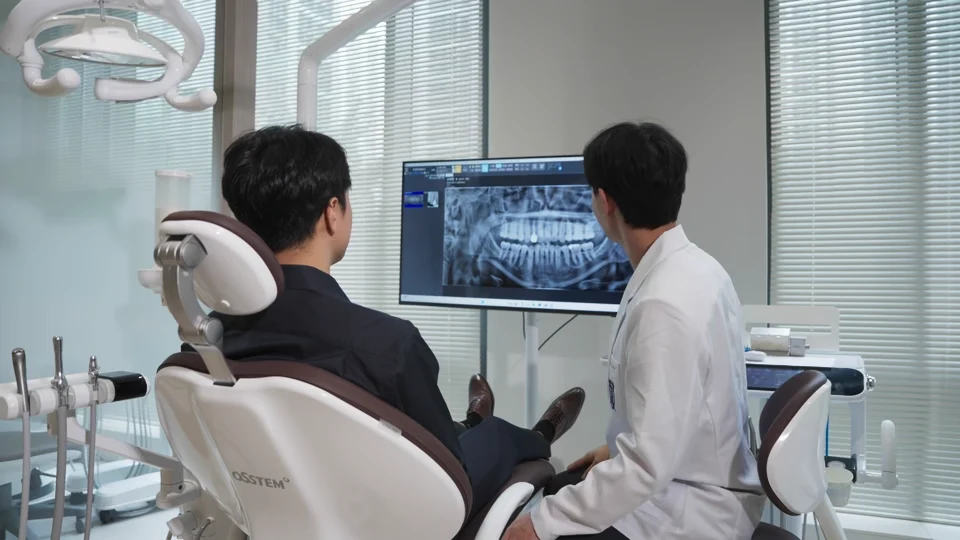
I begin with the teeth that may be preserved
An implant is a way to replace a missing tooth. A structure placed in the jaw supports an artificial tooth, with healing and prosthetic stages following placement. Even when discussing this option, I want to begin with the value of the teeth that remain. The availability of an implant is not, by itself, a reason to remove an existing tooth. [2]
Keeping a tooth simply because it is natural is not always the right answer either. Whether it can be retained and whether it can remain usable need to be considered together. The aim of preservation must be balanced with the need for appropriate treatment. To me, explaining that balance matters as much as introducing a treatment method.
Seoul Yido Dental Clinic's commitment to preserving natural teeth begins with this order of thought. Finding a small problem should lead to distinguishing necessary care from what needs observation, rather than immediately expanding treatment. If monitoring is chosen, the plan should identify what we will observe and what changes would prompt reassessment. A decision not to treat yet still carries responsibility for diagnosis and care. [1]
The person receiving care matters beyond the tooth
When planning surgery, the condition of the mouth does not tell the whole story. Overall health, medication and previous treatment experiences can change what needs consideration. Health is an important factor in implant treatment, and some chronic conditions and smoking may affect healing. Age alone cannot settle whether treatment is suitable. [2]
I do not want a medical history to become a formality before care begins. Medicines used for other conditions can also matter in dentistry. We need accurate information about prescriptions, over-the-counter medicines and recent health changes. This is information for clinicians to use in planning care, not a reason for patients to stop or change medicines themselves. [3]
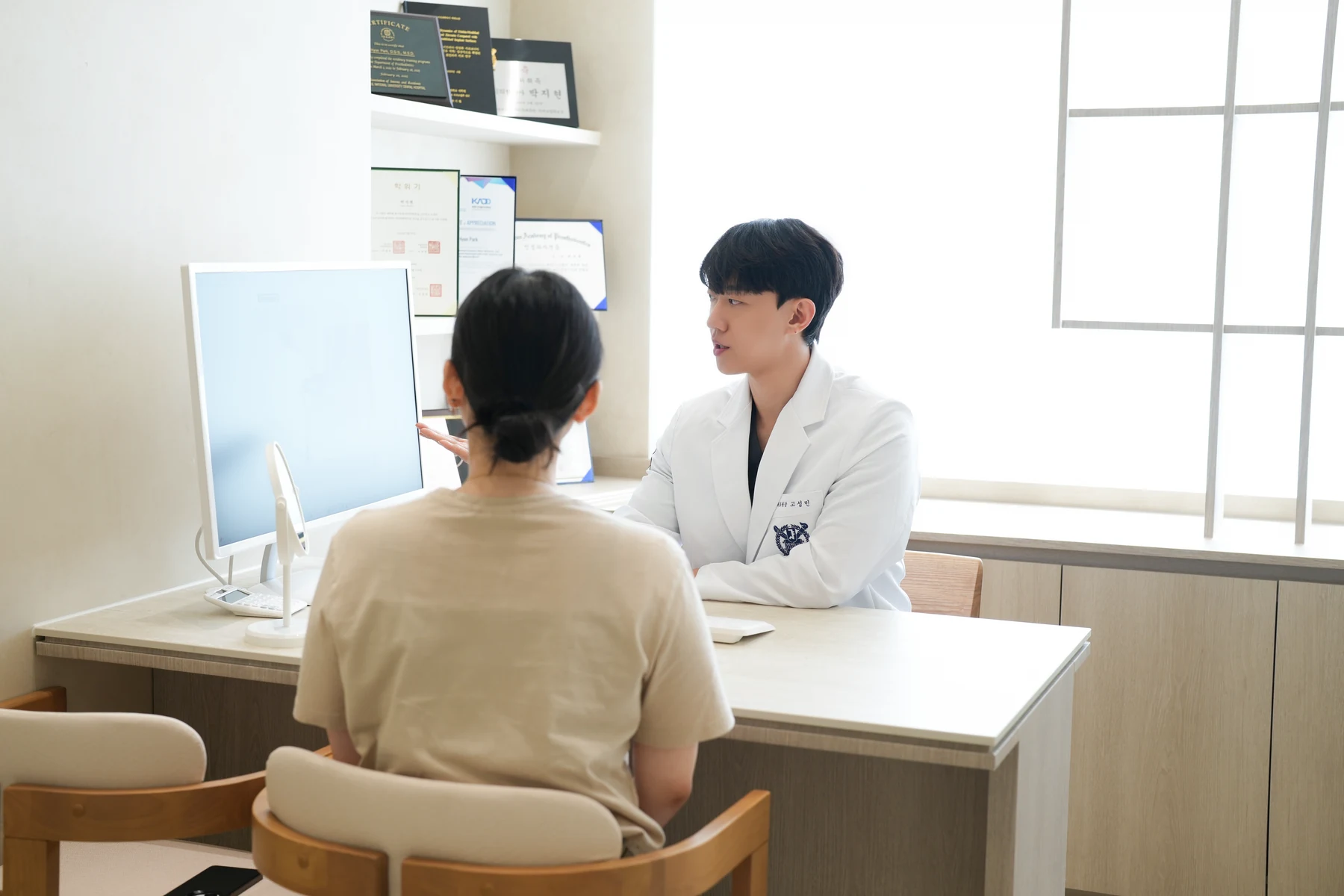
Dr Ko Sungmin listening in the consultation room
When there are many questions, a patient may wonder why so much information is needed for one tooth. That is why I believe we must explain the purpose of asking. People should be able to understand which information matters and which part of the plan it informs. Requesting necessary information and explaining its relevance belong together.
Fear belongs in the treatment plan
Comfortable care, as I see it, should not depend on asking patients to endure their anxiety. Fear of injections, the strain of keeping the mouth open and uncertainty about what is happening are different experiences. Treating fear of dentistry as a matter of personality or endurance can overlook the help someone needs.
When considering sedation, I would first want to understand the particular burden that person feels. The scope of treatment and their health need assessment when judging an appropriate approach. The name of a method cannot promise the same comfort to everyone. I consider explaining how care will proceed an important part of addressing that burden.
It also matters that patients feel able to express pain or discomfort and signal when they need a break. ADA patient guidance discusses sharing dental anxiety and agreeing on a stop signal. I do not want to regard this communication as an obstacle to the pace of treatment. Patients need a way to express what they are experiencing so the person providing care can respond. [4]
A workable plan must fit into a patient's life
The clinic's calendar and the patient's calendar are different. For a clinician, an appointment is a treatment stage. For a patient, it may require rearranging work, asking family for help and allowing travel time. Knowing the total cost is also different from being able to plan for it. I do not want these realities set aside as unrelated to care.
Considering work, costs and everyday routines alongside a diagnosis is part of Seoul Yido Dental Clinic's stated approach. That does not mean postponing necessary care whenever a schedule is inconvenient. It means making a plan patients can understand: what comes first, what follows and what care is needed between stages. [1]

Ko Sungmin, Lead Director, standing by a window
Implant treatment, for example, includes surgery, time for the surrounding bone to integrate with the implant, and the connection of an artificial tooth. The process and timing can vary, so the same number of visits or fixed period cannot be promised to everyone. When discussing the whole plan, I want to explain why both treatment time and waiting time are needed. [2]
An explanation of timing should also acknowledge uncertainty. Findings during treatment may differ from the initial assessment, and the next stage may depend on healing. I believe it is more honest to separate dates that are set from dates that depend on reassessment. When a plan changes, understanding why matters more than merely being told that it changed.
I think about the day after treatment, too
The phrase 'treatment is finished' can mean different things to clinicians and patients. In the clinic, it may mean a procedure or stage is complete. For the patient, questions about eating, cleaning and living with the result remain. To me, a treatment plan should include that next part of the day.
Seoul Yido Dental Clinic's approach includes daily care and follow-up after implants or other restorations. The wish to preserve natural teeth over time cannot be explained by work in the treatment room alone. Care needs to continue in a way that fits a person's mouth and routine. I believe the final explanation should make the purpose of the next visit and the care needed from now on clear. [1]
I also value the possibility that someone leaves treatment understanding their mouth better. Knowing what has been treated, what still needs care and what changes warrant another visit can make daily life feel less uncertain. I want the experience to be one of going home with understanding, rather than simply having received an explanation.
I want the reason for the choice to remain clear
Good care is difficult to describe through a single procedure or piece of equipment. What matters to me is whether the reasoning connects diagnosis to the decision: whether we have considered teeth that could be retained, the health of the person having surgery, and the fear and everyday burdens that belong in the plan.
Choosing treatment means entrusting one's body and time to a clinician. I believe that choice should rest on a full explanation. I want to be a dentist who explains what this person needs now and why, rather than listing every available treatment. A patient leaving with the thought, 'I understand why I chose this,' is the experience I want to work toward.
Photography · Seoul Yido Dental Office
About this column
This first-person column was composed by the editorial team using the clinician's fields of practice and the clinic's care philosophy.
References and sources
- Seoul Yido Dental Office · Supplied brand guide and brand story (opens a new tab)
The clinic’s name, values and philosophy, as described in its brand guide.
- American Dental Association · Implants (opens a new tab)
Patient guidance on implant structure, treatment stages, overall health and healing.
- American Dental Association · Medications and Oral Health (opens a new tab)
Patient information on telling the dental team about prescription and non-prescription medicines and changes in health.
- American Dental Association · Anxiety (opens a new tab)
Patient guidance on discussing dental anxiety and agreeing on a signal to request a break.