

When I think about aesthetic treatment, I ask what to retain as well as how much to change. Removing every small characteristic of the teeth does not necessarily create a natural appearance. I want to preserve what a patient likes and change the parts that have long bothered them only as much as needed.
A wish for brighter teeth can coexist with a wish to avoid an obvious transformation. Someone may want a more even appearance while worrying about how much their teeth will be altered. I do not want either concern to be set aside at the beginning. To me, the direction of aesthetic treatment starts by considering the desired appearance alongside the tooth structure to be preserved.
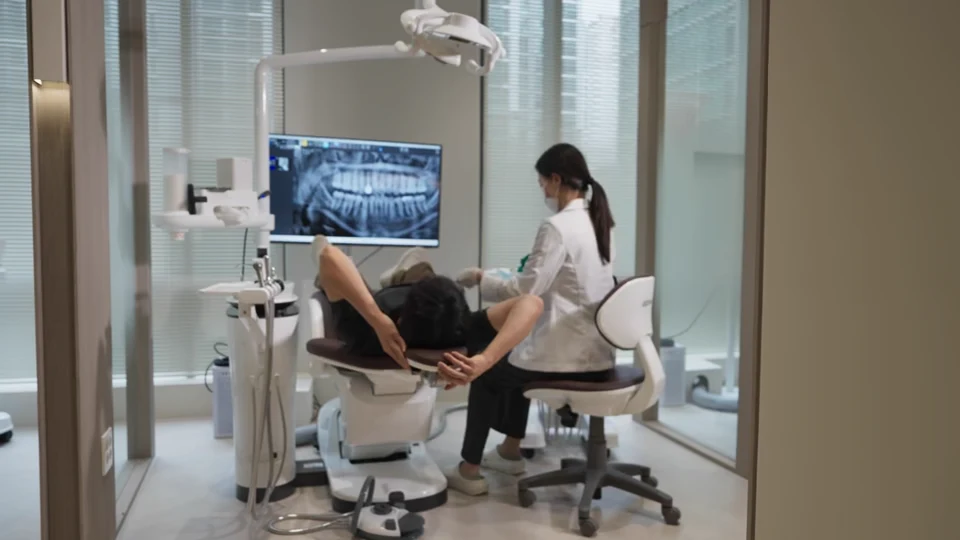
Natural does not mean the same shape for everyone
For me, 'natural' does not refer to a single shade or tooth shape. It is the impression created by how much of the front teeth shows, the edges, the transition to neighboring teeth, and the relationship between lips and gums. Even a small difference can feel different within a whole smile.
That is why I do not want the neat appearance of an isolated tooth to be my only standard. I consider how it will suit the person when they smile and speak. Nor do I think that making every tooth the same length and contour is the only answer to naturalness. There may be good reasons to keep particular characteristics.
It is also important not to assume that patient and clinician mean the same thing by 'natural.' One person may want to retain the current color while refining an edge; another may want an overall brighter appearance without much change in shape. I believe we need to understand the desired change precisely before deciding where the small differences should be.
I first separate concerns about color from concerns about shape
Disliking one's teeth can mean several different things. A dark appearance is different from a chipped edge, and a gap is different from an alignment concern. If we choose a treatment name before identifying these differences, we may begin considering a larger change than the actual concern calls for.
Whitening changes tooth color, but not every discoloration responds in the same way. It also does not lighten existing crowns, veneers or fillings along with natural teeth. Even when color is the concern, I think we should first understand which natural teeth and restorations are present. A brighter color still needs to work with its surroundings. [3]

Dr Won Soyun explaining with a dental model
Veneers cover the front surface of teeth to change shape or color, while direct composite restoration adds material to build the area that needs restoring. These approaches differ, so the extent of the desired change and the current tooth condition need consideration together. I do not want to present one method as the answer to every aesthetic concern. Defining the problem first makes the discussion of methods more specific. [2][4]
Changing less begins with looking carefully
Preserving teeth should not be a phrase that merely makes treatment sound small. It should involve assessing which structures can actually remain and what must change to achieve the goal. Preserving as much natural tooth as possible is also one of Seoul Yido Dental Clinic's stated priorities in aesthetic care. [1]
Veneer treatment may involve removing enamel from the tooth surface, and what has been removed cannot be returned to its original state. We therefore need to take the change to the tooth as seriously as the intended appearance. I do not want to describe a pleasing result while minimizing the changes required to reach it. Both should be understood when deciding on treatment. [2]
Treatment that changes less is not treatment that can be performed without conditions. Position, damage and the bite can affect the appropriate approach. If the original desired shape would place a burden on the existing tooth, the goal or method may need reconsideration. Before deciding the extent of treatment, I want to compare what can remain with what needs to change.
I also consider sequence when color and shape are to change together. Natural teeth and existing restorations do not change color in the same way, so a shade chosen now should be considered in relation to the later plan. More than completing one part first, we need an order for the overall change. This planning sequence is part of what I mean by attention to detail. [3]
Even a small restoration deserves attention to its surface and edges
When considering a restoration that adds composite where it is needed, I do not want to judge only how much space has been filled. I want to consider the contour joining the tooth, the surface finish and the color relationship with the surroundings. A small treatment area should not mean a smaller standard of care for the result.
Composite is a tooth-colored material used for small to moderate restorations, among other applications. The location and required extent need assessment, and keeping the tooth clean and dry during placement matters. A procedure that looks brief or simple still involves attention to the surface receiving the material and the placement process. I do not see these steps as separate from the final shape. [4]

A side view of Dr Won Soyun focused on care
Materials also differ in their advantages and maintenance needs. Composite veneers may be relatively straightforward to repair when damaged, but their resistance to staining and wear is not the same as porcelain's. I want to consider later checks and maintenance as well as the change that is possible. Choosing a smaller treatment does not mean that ongoing care is unnecessary. [2]
The desired change needs a healthy foundation
In planning aesthetic treatment, decay or gum problems sometimes need attention first. Covering an unhealthy tooth with a veneer does not resolve the underlying problem. I want to understand the wish for a different appearance while clearly explaining the necessary sequence of care. Overlooking a problem that needs attention can leave the desired change without a sound foundation. [2]
Clenching, grinding and a deep bite are also conditions to consider when assessing veneers. The same desired appearance does not mean the same method suits everyone. I value finding an appropriate option for that person's circumstances more than proceeding unchanged with the treatment first imagined. Considering another method or adjusting the goal, when necessary, is also part of care. [2]
When explaining these points, I hope patients do not feel that their aesthetic concerns are being dismissed. Describing the appearance they want matters as a starting point. I see the clinician's role as identifying concrete possibilities while considering health and function, rather than passing judgment on that wish.
I hope the person's smile is what stays with us
I also picture life after aesthetic treatment: not only a bright smile, but ordinary time spent eating, cleaning and talking. Decay can still occur around veneered teeth, and damage or wear may call for repair or replacement. Understanding how to care for the changed teeth should be part of treatment. [2]
It continues to matter whether my standards and the patient's desired change are directed toward the same goal. The detail a clinician wants to refine may differ from what concerns the patient most. I want to be careful that attention to small differences does not become stubbornness that loses sight of the patient's expectations.
I hope the memory of good aesthetic care is not limited to a dramatic change in the teeth. I hope it also includes having discussed what mattered and chosen with an understanding of what would remain and what would change. Preserving characteristics that suit a person while carefully adding the changes they need is where a natural smile begins for me.
Photography · Seoul Yido Dental Office
About this column
This first-person column was composed by the editorial team using the clinician's fields of practice and the clinic's care philosophy.
References and sources
- Seoul Yido Dental Office · Supplied brand guide and brand story (opens a new tab)
The clinic’s name, values and philosophy, as described in its brand guide.
- American Dental Association · Veneers (opens a new tab)
Patient guidance on veneer materials, placement, changes to the tooth and ongoing care.
- American Dental Association · Teeth Whitening (opens a new tab)
Patient guidance on whitening, its limitations and differences between natural teeth and existing restorations.
- American Dental Association · Tooth-Colored Fillings (opens a new tab)
Patient guidance on tooth-colored composite restorations, material properties, clean and dry placement conditions, and ongoing care.