
Before comparing appliances, discuss how your teeth and jaws relate, why treatment might be needed and what you hope to change. Assessment provides the basis for discussing options, daily care and retention afterwards. [1]
What assessment may involve
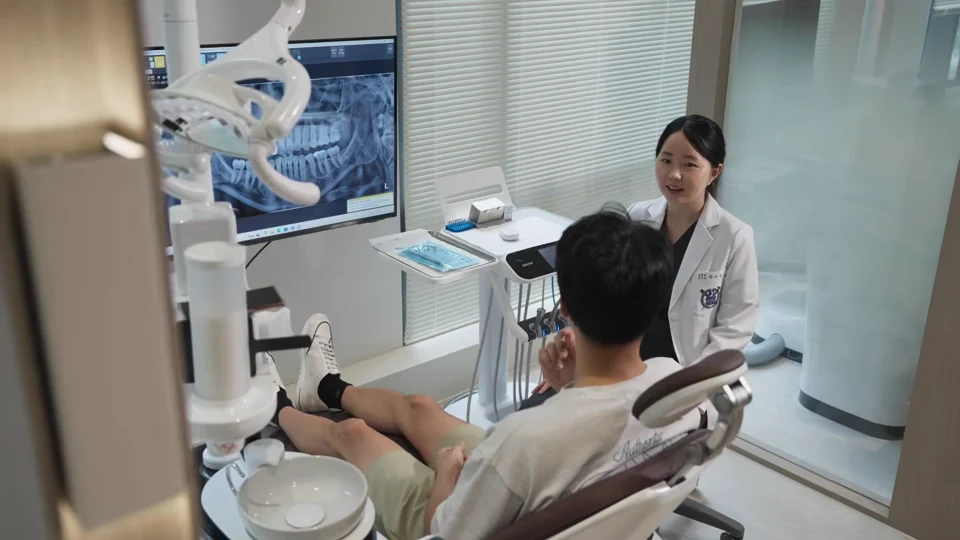
Assessment can include examination of the teeth and jaws, with photographs, X-rays, models or scans as needed. Mention previous dental treatment and any injury to front teeth. Similar concerns about alignment may lead to different discussions after assessment. [1]
Discuss the appliance and everyday care
Ask about cleaning, wear or eating instructions and what needs regular review. Cavity prevention and gum care remain important during orthodontics. Afterwards, retention is part of maintaining the position of the teeth. [1]
Meet the orthodontic clinician
Dr Han Iyeon’s profile lists her orthodontic specialist background and areas of care. Before consulting, note your main concern, any previous orthodontic treatment and how often you could attend appointments. [2]
Key Topics to Discuss in the Initial Consultation
When exploring orthodontic options, it's often easiest to start by identifying the type of device. During the consultation, focus on what concerns you the most, rather than just the device name. You can distinguish between concerns such as overlapping teeth, the relationship between upper and lower teeth, the appearance of your smile, or the feeling of chewing. If you have multiple desired changes, prioritize identifying one key concern first. If you have prior orthodontic experience, share information about the timing of your previous treatment, the type of device used, and what you remember about using retainers afterwards. You don't need to immediately conclude that your desired outcome and current discomfort stem from the same issue. The initial consultation should begin with understanding the information provided during the examination and asking questions about how the two pieces of information relate.
Why the Consultation Includes Your Wider Oral Health
It's easy to think of orthodontics as simply focusing on the visible alignment of teeth, but during a consultation, the dental team considers a variety of factors, including the condition of your teeth and gums, and the relationship between your upper and lower teeth. The NHS provides guidance on maintaining good oral hygiene and overall oral health before starting orthodontic treatment. If you've been given information about an examination or photos, ask what specific aspects are being assessed. If you have existing records from another source, you can inquire about the format and scope of information that can be provided. It's best not to assume that no new information is needed simply because you have existing records. By understanding what information you already have and what further assessments are needed, you can easily distinguish between what can be confirmed during the initial consultation and what will be explained later. Ask the orthodontist to explain the results in relation to your specific concerns. [1]
Comparing Devices: Consider Both Their Appearance and Functionality
When comparing devices, it's important to consider not only their appearance but also how they are used and maintained. Ask questions such as: Is the appliance fixed, or do I need to insert and remove it myself? What instructions should be followed during meals and cleaning? Just because a device has a familiar name or has been used by others doesn't mean it's right for you. It's important to understand how the proposed device aligns with your current goals and needs. Also, please share information about your work schedule, school activities, musical practice, or exercise routines, as these are all factors that should be considered when discussing your plans. To ensure you fully understand the device's features and your specific needs, it's best to discuss the image and actual usage plan separately.

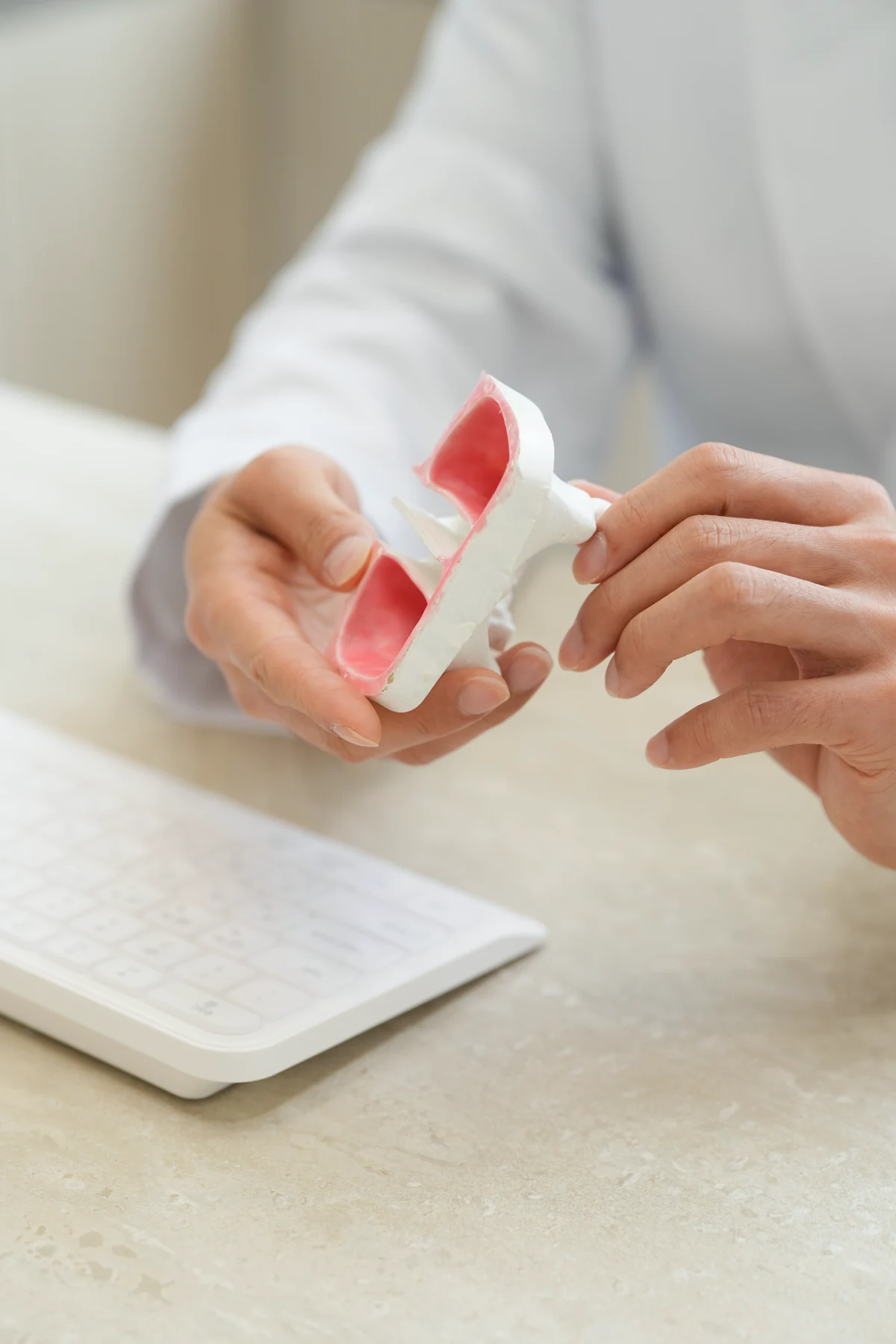
Dr Won Soyun explaining with a dental model
Asking About Conditions That Allow for Changing the Estimated Duration
When deciding on a treatment plan, the estimated duration is an important question. In addition to simply asking for the estimated duration, inquire about the basis for that estimate, and what conditions would allow for adjustments later. Knowing the recommended interval between visits and what to expect during each visit can also be helpful in planning your schedule. If you anticipate having difficulty with regular visits, such as during a study abroad program or long-term assignment, please inform us at the beginning of your consultation. It's best not to rely solely on the experiences of others with similar durations when predicting your own schedule. Understand how the initial consultation's estimate compares to what is actually experienced during treatment, and have a plan for contacting us if you are unable to keep your appointments. Instead of simply marking the end date on a calendar, consider writing down the expected flow of necessary checks and follow-ups.
Cleaning Preparation While Using the Device
While using the device, you may need to review the brushing techniques you are familiar with. NHS emphasizes the importance of cleaning to prevent cavities and gum problems, even during orthodontic treatment. If you are unsure about which areas to clean or how to use the necessary tools, please ask for a direct explanation. If you are unsure about how to clean even the smallest parts of the device, you can verbally review what you have understood. If you find that a particular area is difficult to clean after learning how to use the device, please discuss it again during your next appointment. It is important to distinguish between purchasing a product and learning how to use it correctly. Make sure you understand how to practice the techniques, and if you find them difficult, discuss what adjustments or further learning may be necessary. [1]
Methods for Recording Everyday Discomfort
If you experience a different sensation while using the device, take note of when and where you feel it. You can identify the specific situation, such as when you are eating, moving your mouth, or experiencing contact with a particular area. It's important to know when to contact the hospital and what information or materials you need to provide. Instead of relying solely on the experiences of others, it's best to refer to the guidelines provided by the medical team to assess your own condition. When you feel that the device is causing a problem, instead of arbitrarily changing or manipulating it, find out how to inform the medical staff. Knowing your regular appointment date and the preferred method for initial inquiries are two separate preparations. By keeping these two pieces of information together, you can easily communicate when you need to ask a question.
Understanding the Maintenance Process from the Beginning
The day you have your device removed is not the end of all orthodontic care. The NHS explains that maintaining the position of your teeth after treatment involves using retainers. When you consult, be sure to ask about the role of the retainer, how it should be used, and the follow-up appointments. It's important to confirm the wearing time and method based on your own needs, rather than relying on others' experiences. You should also know how to contact someone if you lose or feel that the retainer doesn't fit properly, and you should also be aware of the cleaning and storage instructions. By asking about the maintenance process from the initial consultation, you can plan for everything from the end of treatment to your daily life. In addition to the visible changes, understand what role you need to play to maintain that state. [1]
Summarize Comparison Points on One Page Before Making a Decision
After the consultation, organize the key information – goals, proposed methods, lifestyle management, schedule, and costs – along with any remaining questions, on a single page. It's helpful to clearly distinguish between the confirmed aspects and the points to be further evaluated. The NICE guidance on shared decision-making focuses on tailoring the benefits and drawbacks of options to an individual's values and goals. Check to see how the plan you've been presented with reflects the conditions that are most important to you. If you find something unclear, you can specifically ask what you're most curious about and request further discussion. Preparing for an orthodontic consultation should be viewed as focusing on understanding the information about the device, rather than simply memorizing it. Instead, focus on identifying what explanations are needed to bridge the gap between your current situation and your desired outcome. [3]
Q. Are the appliance and timeline fixed at the first visit?
The point at which a plan can be explained depends on the information and assessment required. Ask why an appliance is recommended, what alternatives exist and what could affect the estimated timeline. [1]
Q. Does care end when the appliance is removed?
Retention and oral care continue. Ask about your wear instructions, cleaning, review schedule and who to contact if the retainer no longer fits as expected. [1]
Photography · Seoul Yido Dental Office
References and sources
- NHS · Braces (opens a new tab)
Orthodontic assessment, appliance care and retainers.
- Seoul Yido Dental Clinic · Official website · Doctors and care information (opens a new tab)
Clinician biographies, areas of practice, location and booking information.
- NICE, United Kingdom · Shared decision making (NG197) (opens a new tab)
Guidance on discussing preferences, benefits and burdens of options, and checking understanding in shared decision making.