
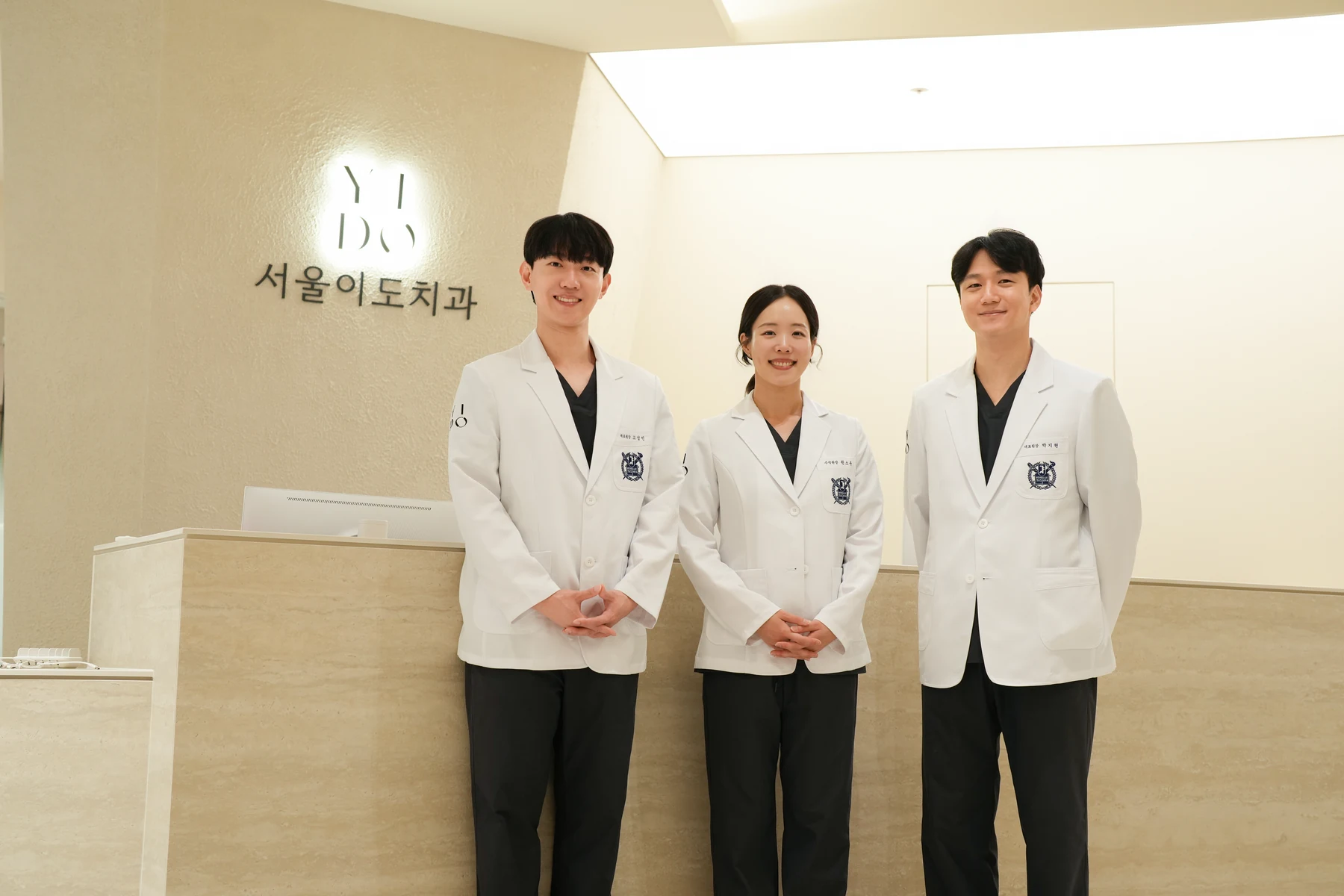
Start by sharing your preferred language, doctor and available dates. The supplied videos include English greetings from Drs Ko and Won, Japanese from Dr Ko and Chinese from Dr Park. Confirm consultation availability and language support when booking. [1]
Share your travel dates and purpose
Note your arrival and departure dates, appointment availability and main symptom or concern. Mention when you could return so that the required steps and follow-up can be discussed after assessment.
Bring medication and treatment information
Tell the team about prescription and over-the-counter medicines, supplements, allergies and changes in health. Bring packaging or a list if names are difficult to communicate. Do not stop medication on your own for a dental visit; check with your clinicians. [3]
Location and contact
The clinic is on the second floor of 24 Mallijae-ro, Mapo-gu, Seoul. From outside Korea, call +82-2-706-2080. Confirm times in Korea Standard Time (KST, UTC+9). See the visit page for current hours and directions. [2]
Include Your Language and Purpose When Enquiring
If you are not comfortable with Korean, please specify your preferred language in the initial part of your reservation inquiry. You can first listen to the voices of the medical staff in the English, Japanese, or Chinese greeting videos, and then provide the desired date and the specific support you require. For example, if you want to "have a dental consultation," add one more sentence to specify which issue you want to discuss. If you have a preferred medical professional, you can also include their name. Providing your preferred contact method and available times will help us confirm your schedule. Since the language of the greeting video and the specific support needed during the actual visit are different, please clearly state how you would like to receive the information. Organizing the necessary information during the reservation inquiry stage is the beginning of your visit plan. [1]
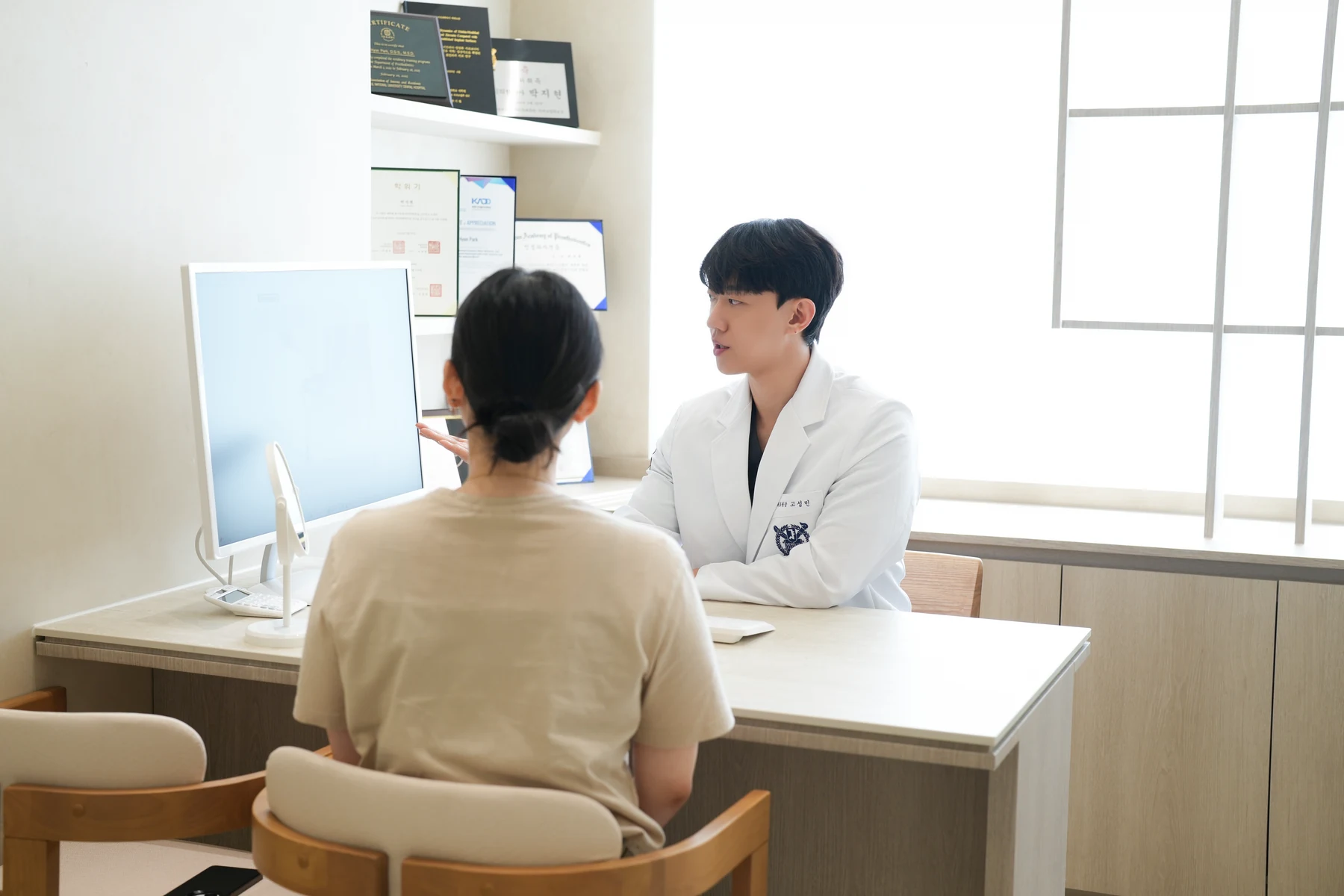
Dr Ko Sungmin listening in the consultation room
Describing Stay Duration as a Period, Not Just a Single Date
Instead of just providing the departure date, please include the date of arrival in Korea, the actual dates you can visit, and the potential dates for future visits. Also, please indicate any specific timeframes when it might be difficult to travel due to work or other commitments. The medical team will explain the necessary procedures and follow-up schedule after the examination, so it's important to discuss what you can do within your stay period based on your individual condition and plans. It's best not to assume that you can complete all the processes in one short trip. Before confirming your booking, please record the time you inquired about and the actual booking time separately. If you are using multiple time zones, double-check whether the provided times are in Korean time, and adding time zones to your calendar can help avoid confusion.
When translating symptoms, start with what you've observed
Instead of trying to translate medical terms precisely, first, organize the discomfort you've experienced. Break it down into three categories: the affected area, when it started, and the circumstances in which you feel it. For example, "I feel uncomfortable when drinking cold beverages" and "I suspect I have a specific condition in this tooth" are two different types of information. If you haven't received a diagnosis yet, clearly distinguish between what you've observed and your own assumptions. If you've used a translation tool, check to ensure that numbers and dates, as well as negative expressions, are conveyed accurately. In particular, it's best to prepare reliable information for the name of the medication and previous treatment records, rather than trying to remember new names. After listening to the explanation, make notes of questions to help you summarize and reiterate what you understand.
How to Prepare Your Medication List and Health Records
When preparing your medication list, gather both prescription medications and over-the-counter medications you are currently taking. Since product names may vary by country, it's helpful to have information about the product name, ingredients, and packaging to share with your healthcare provider. Also, include any known allergies, changes in your health status, and any past medical issues you remember. The ADA recommends that patients inform their dental professionals about their medications and health history, as well as any recent changes. Do not attempt to self-diagnose or discontinue medications before your appointment simply because you are using them. The best way to determine what information to provide and how to provide it is to ask your dentist or dental hygienist. The purpose of preparing your medication list is to provide your healthcare provider with accurate information about your current condition, not to attempt to adjust your prescriptions. [3]
Key Areas to Confirm When Receiving Instructions
It's important to verify that you can communicate in the desired language, and that you fully understand the test results, options, and instructions. When making a reservation, clearly state which stage requires language support. If you encounter unfamiliar terms during the explanation, you can simply ask for them to be explained in simpler terms. If you have a screen or photo, you can also ask them to point out the location being discussed. After summarizing the information you understand in your own words, you can easily find any remaining questions. You don't need to be able to speak fluently in every sentence. Focus on ensuring that the important information is accurately conveyed to you, and that you understand the explanations needed for your choices and management.
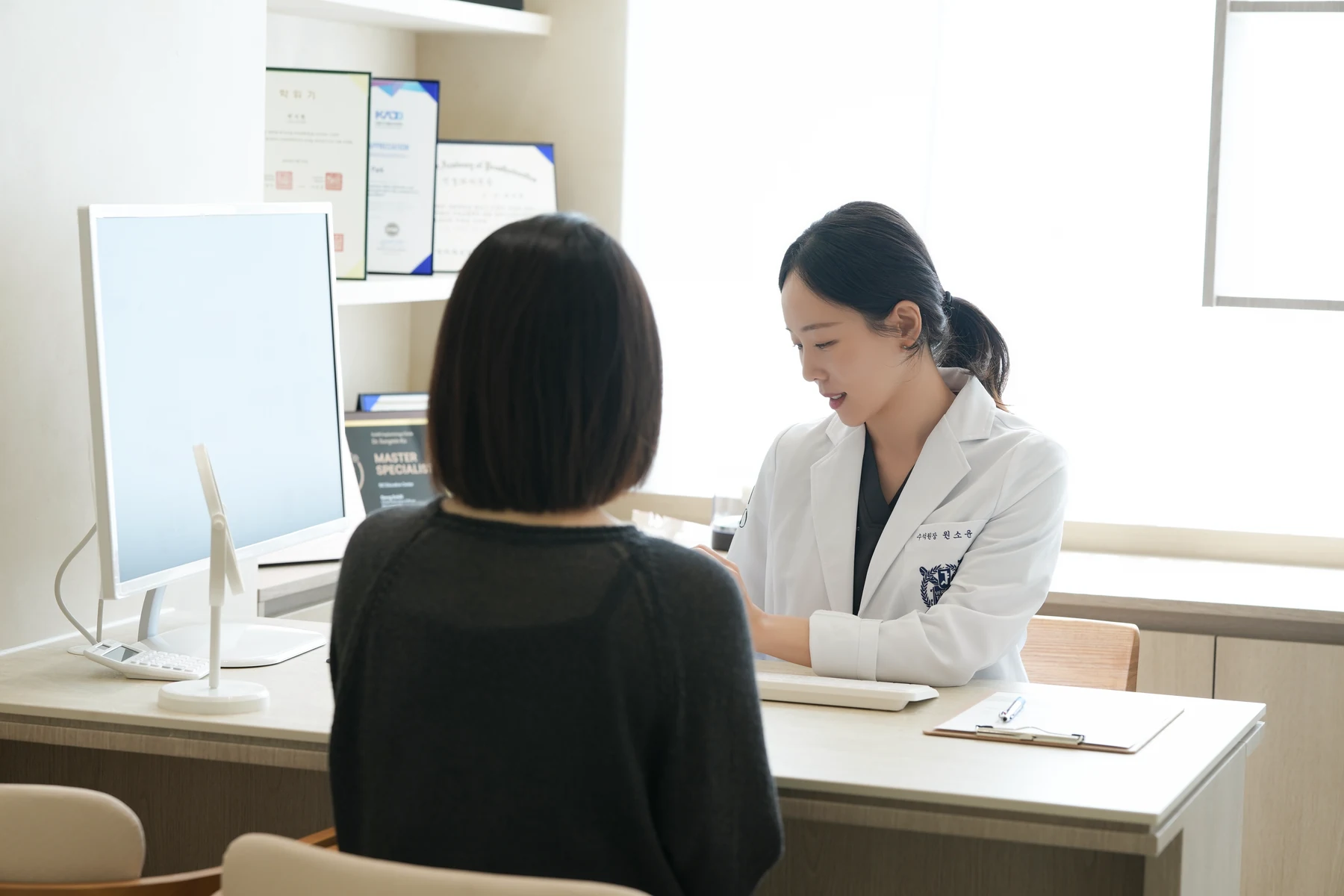
Dr Won Soyun reviewing information during a consultation
Ensure You Have All Necessary Information Before Departure
During your consultation, discuss with your doctor what you need to manage and when you should contact them after leaving Korea. If you require any follow-up appointments, clarify the purpose and timing of these appointments. If you need medical records or informational materials, inquire with the clinic about their availability, language options, and any required procedures. You can also ask about what information to keep in mind for when you need to explain your situation to another healthcare provider upon your return. It's important to note that not all treatments can be managed remotely, so it's best to understand which information needs to be verified in person and which information you can receive guidance on through communication. Before your departure, ensure that all necessary information is discussed and confirmed, and review your plans again after finalizing them to ensure everything is still in order.
Preparing for Your Visit: Address, Date, and Contact Information
Before your visit, gather all necessary information in one place: the clinic address, the date of your appointment, the time in Korea, and the best way to contact the hospital. Double-check that the location you saved in a map app matches the directions you were given, and have a way to contact the hospital if you get lost. If you're using an international phone number, be sure to include the country code. Also, let them know what method of contact you prefer to receive a response. If you're visiting with someone, you can also discuss any assistance you might need in advance. If you require special assistance for your travel, it's best to directly confirm with the hospital rather than relying solely on photos to determine if it's possible. On the day of your appointment, keep all your prepared information, including directions and appointment details, along with any relevant health and symptom information, for easy access. [2]
After the consultation, summarize the confirmed information and questions
After your visit, please write down the following: The current status, chosen plan, or any additional topics to discuss. The next appointment date and time. Any specific instructions to follow at home. If you have any documents, review them along with your notes. If you have any questions or areas you don't understand, it's better to leave them as questions so you can contact the clinic again. If your schedules are different, agree on a time to check in with each other. If you anticipate difficulty continuing the care instructions you received after your departure, it's best to discuss this during your appointment. Preparing for your visit abroad doesn't end with scheduling your travel. It also involves understanding the necessary information and organizing what you need to remember and who to ask for further clarification.
Q. Can I read the same article in another language?
Use the language menu at the top for Korean, Japanese, Simplified Chinese or English. The article and source descriptions are available in those editions. Videos retain their original spoken language.
Q. Can all treatment be completed during a short trip?
That depends on the treatment and checks required. Share your travel dates beforehand, then discuss a feasible plan and aftercare following assessment. Also ask how to contact the clinic if a problem arises after you leave.
Photography · Seoul Yido Dental Office
References and sources
- Seoul Yido Dental Office · Four multilingual greeting films (opens a new tab)
English, Japanese and Chinese greeting films supplied by Seoul Yido.
- Seoul Yido Dental Clinic · Official website · Doctors and care information (opens a new tab)
Clinician biographies, areas of practice, location and booking information.
- American Dental Association · Medications and Oral Health (opens a new tab)
Patient information on telling the dental team about prescription and non-prescription medicines and changes in health.